
Understanding the psychology behind gambling behaviors and decision-making processes
The Appeal of Gambling
The allure of gambling often lies in the thrill and excitement it offers. Many individuals find the unpredictability of games and bets to be exhilarating. This sensation can trigger the brain’s reward system, releasing dopamine and creating a feeling of pleasure that can lead to repeated engagement. The initial win can set off a cycle of behavior where individuals chase that high, often neglecting the potential risks involved. In fact, experiences with Aviator further illustrate how easy it is to become captivated by the excitement.
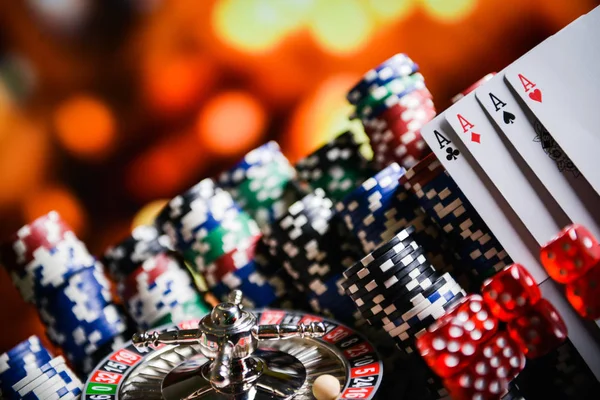
Additionally, the social aspect of gambling contributes significantly to its appeal. Whether in casinos, online platforms, or social gatherings, the shared experience of gambling can foster a sense of community. This environment can enhance the enjoyment and may lead individuals to make impulsive decisions, influenced by the actions and reactions of those around them.
Cognitive Biases in Gambling
Cognitive biases play a crucial role in how individuals perceive and engage in gambling activities. One common bias is the illusion of control, where players believe they can influence the outcome of games of chance through their skills or strategies. This misconception can lead to overconfidence and increased betting, even when the odds are inherently against them.
Another prevalent cognitive bias is the gambler’s fallacy, the belief that past events can influence future outcomes in a random game. For instance, if a particular slot machine hasn’t paid out in a while, a player may believe it is “due” for a win. This flawed reasoning can skew decision-making and lead to continued losses, perpetuating a cycle of behavior that is often detrimental.
Emotional Influences on Decision-Making
Emotions can significantly impact gambling behaviors and choices. For many, gambling serves as a form of escapism, providing a temporary relief from stress, anxiety, or other emotional challenges. However, using gambling as a coping mechanism can lead to problematic behaviors, as individuals may continue to gamble to chase feelings of euphoria or to escape negative emotions.
Moreover, the emotional state of a gambler can affect their decision-making processes. Those who are feeling lucky or euphoric may take greater risks, while those who are upset or anxious might cling to their bets more tightly. Understanding these emotional triggers is essential for recognizing when gambling behaviors may become harmful, leading to potential addiction or financial difficulties.
The Role of Environment and Context
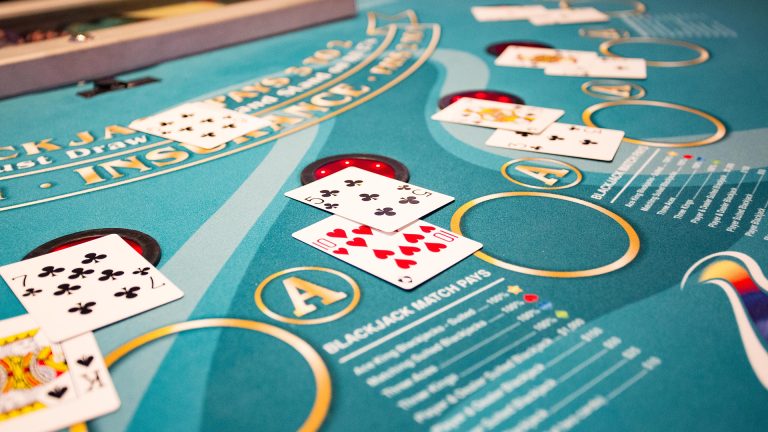
The environment in which gambling occurs can heavily influence a person’s behavior. Factors such as the design of a casino, the availability of games, and even the presence of other gamblers can create a stimulating atmosphere that encourages increased betting. Casinos often employ specific techniques, such as bright lights and sounds, to enhance the gambling experience and make it more enticing.
Contextual elements also play a role in decision-making. For instance, individuals may gamble more during social events or celebrations, associating these activities with positive experiences. This situational influence can blur the lines between responsible gambling and risky behavior, emphasizing the need for awareness of one’s surroundings and the potential impact on choices.
Conclusion and Responsible Gambling
In conclusion, understanding the psychology behind gambling behaviors and decision-making processes is vital for both individuals and communities. Awareness of cognitive biases, emotional influences, and environmental factors can help in recognizing the signs of problematic gambling. Adopting responsible gambling practices is essential for maintaining a healthy relationship with gambling activities.
For those looking to learn more about responsible gambling, resources and information can be beneficial. It’s crucial for gamblers to be mindful of their behaviors and seek support when needed, ensuring that their gambling remains a form of entertainment rather than a source of distress.