
The evolution of gambling a historical journey through time
The Origins of Gambling
The history of gambling can be traced back thousands of years, with evidence suggesting that it existed in ancient civilizations such as Mesopotamia and Egypt. Archaeological findings indicate that rudimentary games of chance were played using dice made from animal bones and other materials. These early forms of gambling served not only as entertainment but also as a means of decision-making and divination. In today’s world, people often look for a quick withdrawal casino that offers instant access to their winnings.
As societies evolved, so did the complexity of gambling. The introduction of more structured games, such as the Chinese game of Keno and the Indian game of Pachisi, reflected cultural values and societal norms. These games were often intertwined with local traditions and rituals, laying the groundwork for the diverse gambling practices we see today.
The Rise of Casinos
The modern casino as we know it began to take shape in the 17th century, particularly in Italy, where the first official gambling house, the Ridotto, was established. This marked a significant shift in gambling, as it transitioned from informal settings to regulated venues. The Ridotto offered games of chance like card games and dice, catering to the growing appetite for organized gambling.
As the concept of casinos spread across Europe, they began to adopt a more luxurious and social aspect, becoming centers of entertainment for the elite. The establishment of renowned casinos in cities like Monte Carlo and Las Vegas in the 20th century further popularized gambling as a mainstream leisure activity, making it accessible to a broader audience.
The Impact of Technology on Gambling
The evolution of gambling took a significant leap with the advent of technology. The invention of the slot machine in the late 19th century revolutionized the gaming industry, making it easier for players to engage with gambling without the need for skill. This democratization of gambling led to a surge in popularity, especially in the United States.
In recent years, the rise of the internet has further transformed the gambling landscape. Online casinos emerged in the late 1990s, allowing players to gamble from the comfort of their homes. This shift not only expanded access but also introduced innovative games and betting options, catering to diverse preferences and making gambling more inclusive than ever.
The Cultural Perspectives on Gambling
Throughout history, gambling has been perceived differently across cultures. In some societies, it is viewed as a form of entertainment and a legitimate pastime, while in others, it is associated with vice and moral decay. For instance, cultures in Asia often embrace gambling as an integral part of social gatherings and celebrations, such as Chinese New Year, where games are played for fun and tradition.
Conversely, many Western societies have grappled with the social implications of gambling, leading to debates about regulation and responsible gaming. The balance between enjoyment and risk is a constant theme, prompting governments to implement measures that promote safe gambling practices while still allowing individuals to partake in this age-old activity.

Gambling in the Modern Era
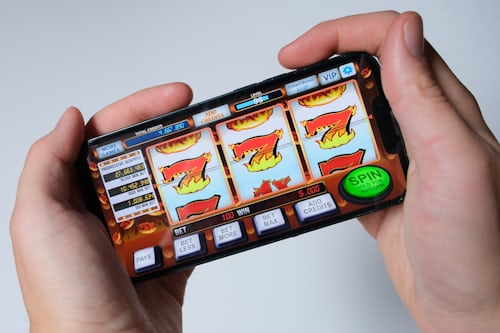
Today, the gambling industry continues to evolve, influenced by advancements in technology and changing societal attitudes. Mobile gaming apps and live dealer games have made gambling more accessible and interactive, appealing to younger audiences. Additionally, the rise of cryptocurrencies has introduced new payment methods, further transforming the financial aspects of gambling.
The landscape is also shaped by increasing awareness of responsible gaming. Many operators now prioritize player protection and offer resources to help individuals manage their gambling habits. This commitment to safety reflects a growing recognition of the need to balance enjoyment with responsible participation in gambling activities, ensuring that it remains a sustainable form of entertainment.